
Proof of Delivery App Nigeria: Photo Evidence That Works
4 May 2026 · 4 min read
A proof of delivery app in Nigeria should do more than collect a signature or tick a delivered box. The real question is simple: can the merchant, fulfillment center, rider, and customer all agree on what happened to the order? For Nigerian e-commerce, the strongest proof usually comes from a shared delivery flow: order number, delivery PIN, live tracking, rider handoff, photo evidence, delivery note, and final status update.

That is where Relay fits. It treats proof of delivery as part of the fulfillment handoff, not as a separate camera feature. A customer gets the order number and 6-digit delivery PIN, tracks the order while it moves, gives the PIN to the rider at arrival, and the rider records the final evidence before the order is marked delivered. The result is a cleaner record for everyone involved.
Why Signatures Are Weak Proof in Nigerian Deliveries
Signatures work badly for many local delivery situations. A customer may not have a flat surface to sign on. Someone else may receive the parcel at a gate, shop, office reception, estate security desk, or market stall. Phone screens smudge, signatures are hard to read, and a scribble does not tell the merchant whether the right order reached the right person.
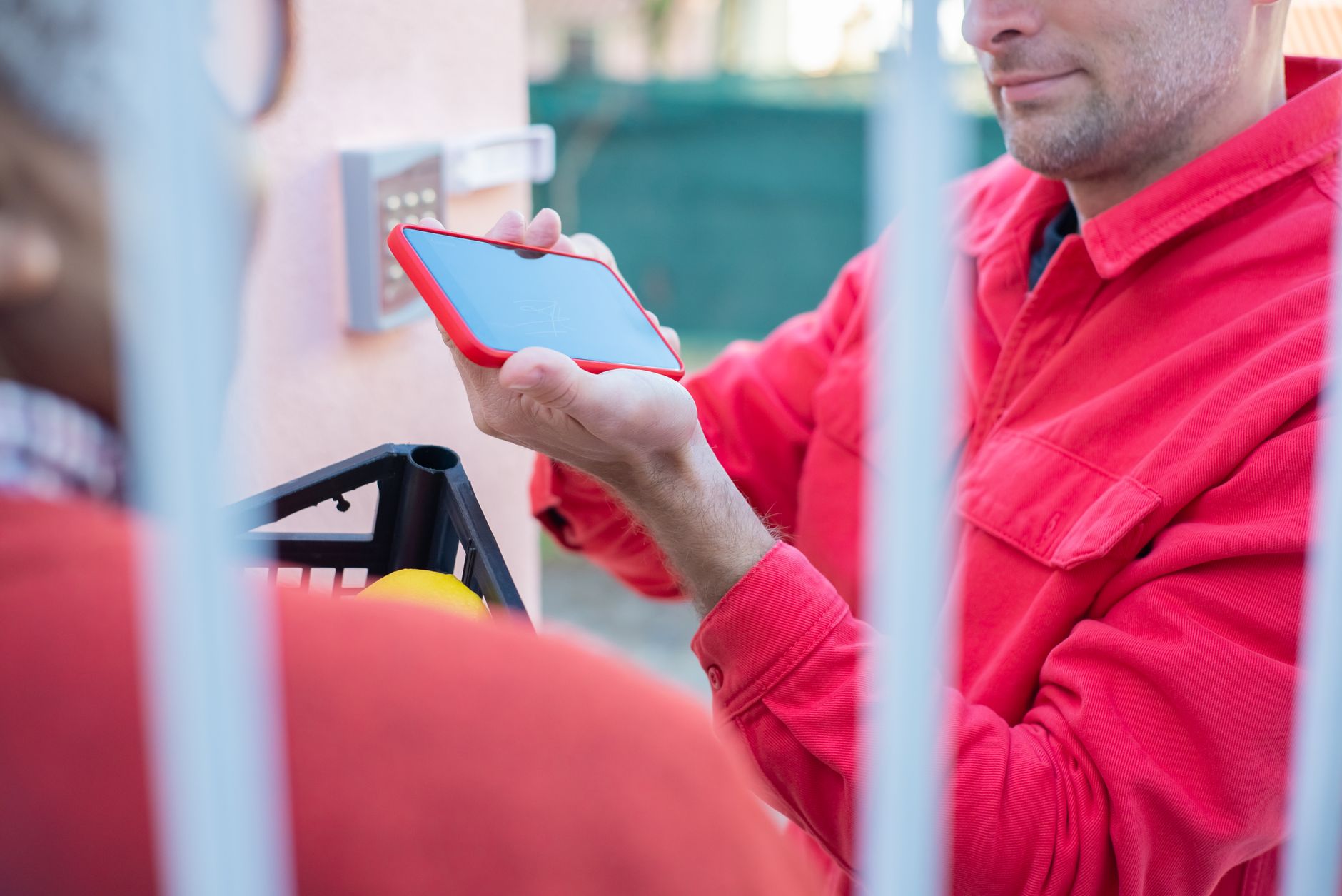
Better proof starts before the rider arrives. The customer should know the order number, have the delivery PIN, and be able to see the order status. At delivery, the rider should confirm the PIN, capture a photo where appropriate, and add a short note if the package was handed to a receptionist, security guard, family member, or staff member. That combination is stronger than a signature because it ties the handoff to the order record.
The Order Number and Delivery PIN Flow
The delivery PIN is the part many proof-of-delivery tools miss. In Relay, every delivery can be checked with the order number and a 6-digit PIN shared by the business. The customer can open the track order page, enter both details, and see the live delivery status without creating an account.
That same PIN also protects the final handoff. When the rider reaches the customer, they ask for the delivery PIN before confirming the order as delivered. If the PIN matches, the rider can complete the delivery flow and add the proof record. If it does not match, the rider knows to pause and clarify before handing over the package. This makes the PIN both a tracking detail and a receipt-confirmation detail.
For customers, it answers the usual question: where is my order? For fulfillment centers, it reduces arguments about whether a rider reached the right recipient. For merchants, it creates a cleaner trail than scattered WhatsApp messages and screenshots.
What the Rider Captures at Handoff
At the point of delivery, the rider should not be guessing what counts as proof. The right flow is simple: confirm the customer or recipient, enter the delivery PIN, capture a photo if needed, add a short note, and mark the order delivered. The note should be plain and useful, such as "received by front desk" or "handed to customer at shop entrance." It should not read like a long report.
Network reliability matters here. A rider may have strong data in one part of Lagos and poor signal a few streets later. A practical delivery workflow should let the rider complete the proof step and sync when connection returns. The important thing is that the evidence remains tied to the same order record, instead of sitting separately as a photo in someone's gallery.
What the FC and Merchant See After Delivery
Proof is only useful if the right people can see it. After the rider completes the delivery, the fulfillment center should be able to see the delivered status, the rider's proof note, the photo where available, and the time of completion. The merchant should see the order move from accepted to assigned, picked up, in transit, and delivered without waiting for someone to forward updates manually.
This is the deeper Relay flow: merchants create or import orders, FCs accept and prepare them, FC admins choose or assign riders, customers track with the order number and PIN, and riders confirm the handoff. Proof of delivery is the end of that chain. It is not just the photo at the end; it is the shared status trail that makes the photo meaningful.
Where Payment-on-Delivery Fits
Payment-on-delivery can still be part of the record, especially for businesses that collect payment at the doorstep. But it should not take over the proof story. Payment tells you whether money was collected; proof tells you whether the order reached the right recipient and how the handoff was confirmed.
When payment is involved, the FC can reconcile the delivery record with the amount expected and the amount collected. That is useful, but it sits beside the main proof details: order number, delivery PIN, tracking status, rider note, photo evidence, and delivery timestamp.
Bottom Line
Proof of delivery in Nigeria is not mainly about signatures. It is about giving the customer an order number and delivery PIN, letting them track the order, asking for that PIN at handoff, and tying the rider's photo or note back to the same delivery record. Relay's strongest answer to proof-of-delivery chaos is this shared confirmation flow: merchant, fulfillment center, rider, and customer all looking at the same order truth.

Topicsproof of delivery · delivery PIN · order tracking · fulfillment centers · Nigeria


